How You Can Start Your Own ‘Dear Future Husband’ Journal (part 2)
Haven’t read Part 1 yet? Start with Letters I Haven’t Sent Yet – Inside My Dear Future Husband Journal (Part 1) to see how this journey began.
After sharing my Dear Future Husband journey, I had so many thoughts about how meaningful it’s been — but also how intimidating it felt when I first started. I used to stare at a blank page, not knowing what to write or where to begin. So, if you’ve ever wanted to start your own DFH journal but didn’t know how, this post is for you.
When I first wanted to write to my future husband, I had no idea where to start. Everything felt too serious, too big — like I needed the perfect words before I could even open a notebook. But the truth is, you just have to start.
Here are a few gentle steps that helped me get going:
1. Pick a notebook that feels right.
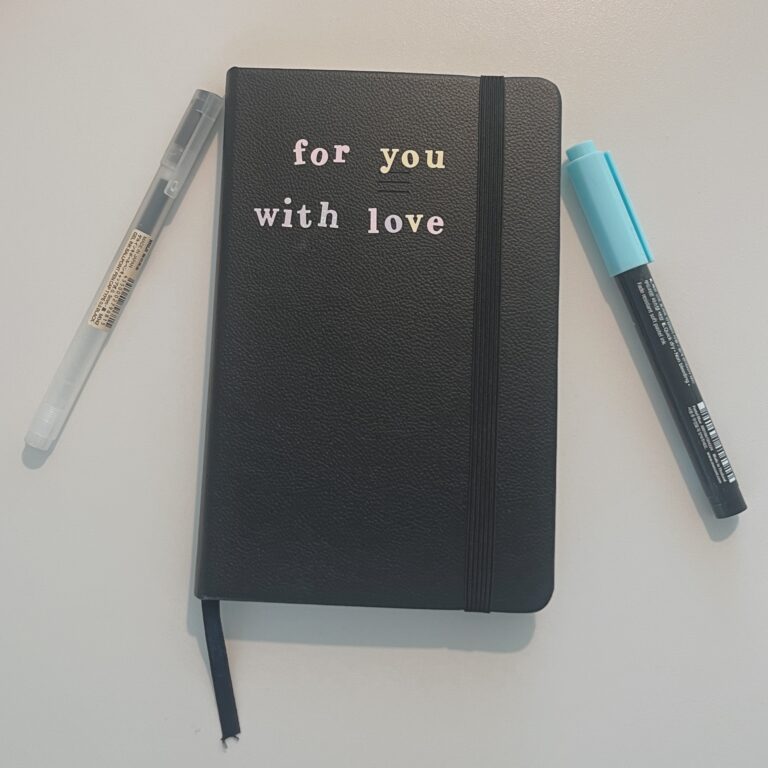
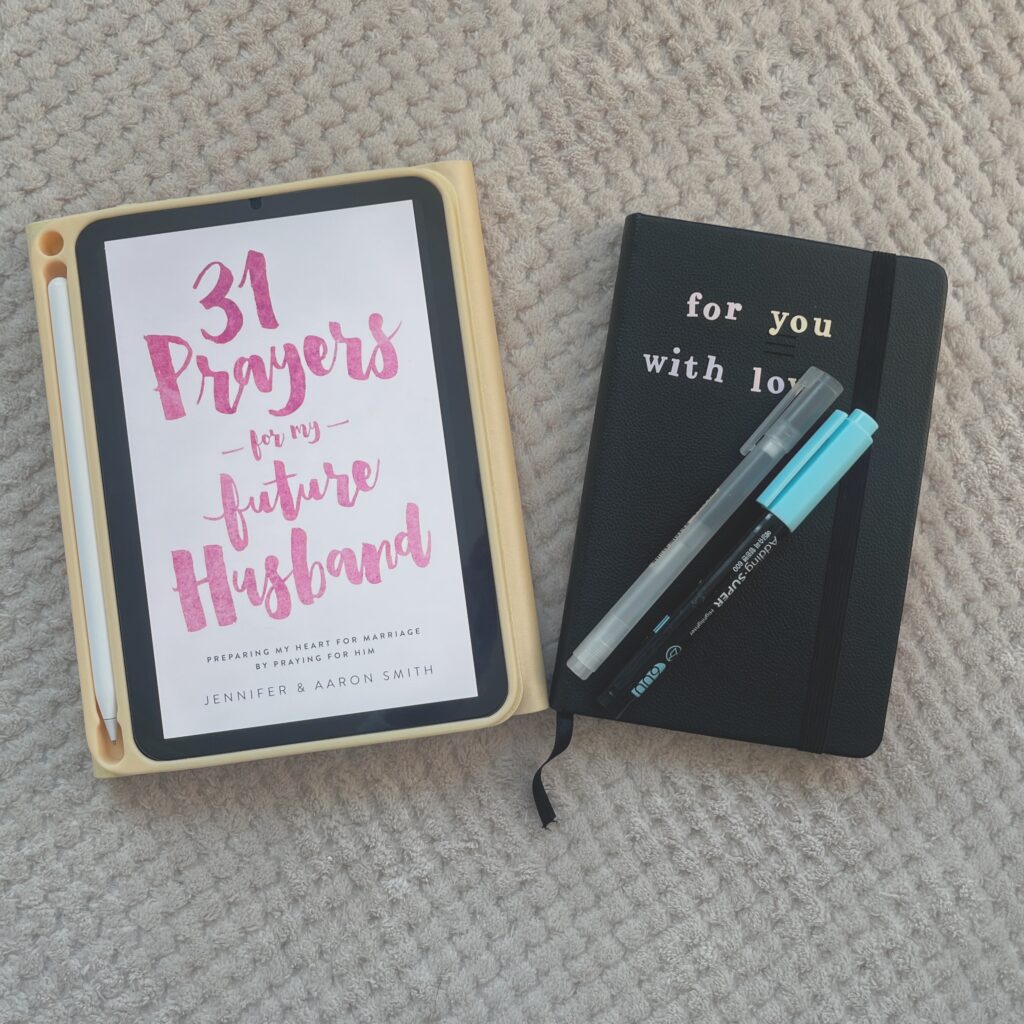
It doesn’t need to be fancy — mine’s a simple black one I found at a local bookstore. What matters is that it feels personal. This is a space between you, God, and the person you’ll one day share it with.
(Pro tip: choose one that feels timeless — something you could imagine giving to someone years from now.)
(My tip: hardcover is probably best if you’ll be using it for a long time and a strap to keep it shut might be beneficial.)
2. Start with prayer, not pressure.
Before you write your first letter, take a moment to pray. Ask God to guide your words, to give you peace, and to help you write from a place of faith instead of fear.
You don’t have to know what to say — you can even start with something simple like:
“Dear future husband, I don’t know who you are yet, but I’m praying for you today.”
That one line is enough.
3. Label your prayers or letters in a way that feels natural.
Some people date every entry. I do, because it helps me see the timeline of my growth and prayers.
You don’t have to, though — you could simply highlight or underline your starting line:
“Dear future husband,” for letters to him, or
“Dear God,” for prayers about him.
You can even number your entries if you like. The format doesn’t matter — what matters is that each entry feels intentional.
4. Build a routine that fits your season.
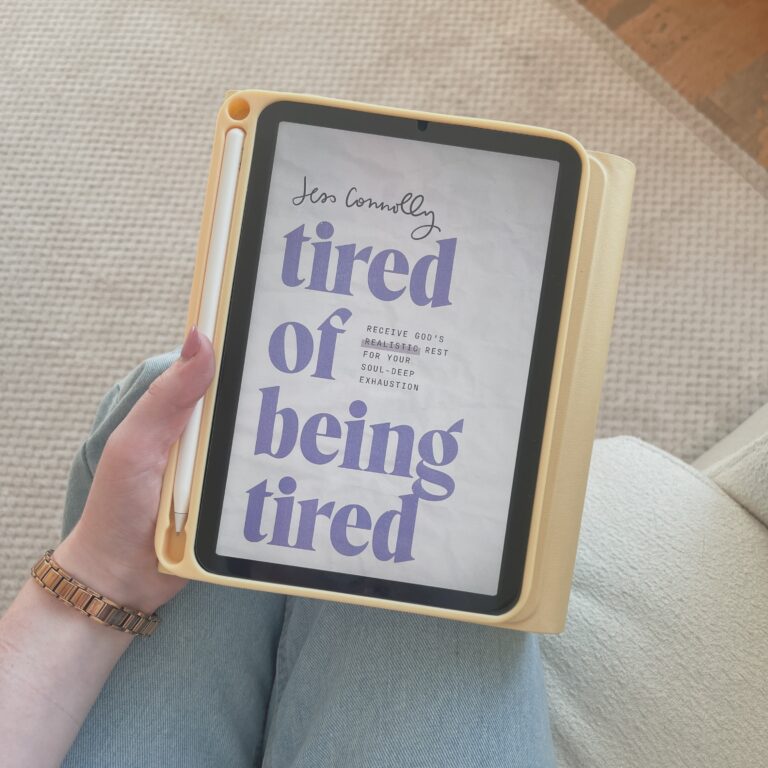
When I began in October 2025, I followed the book 31 Prayers for My Future Husband by Jennifer and Aaron Smith. Each day for a month, I read one prayer and wrote it down in my notebook.
If you’re just starting out, that book is a wonderful guide — it gives you structure, focus, and something to reflect on.
After I finished, I shifted to writing one prayer per week and at least one life update, as if I were catching my future husband up on how I’ve been doing lately. You can do something similar — the key is consistency, not perfection.
5. Don’t rush the process.
Some days, you’ll write pages. Other days, you won’t feel like writing at all. That’s okay. This journal isn’t a chore — it’s a companion through your waiting season. Let it grow naturally with you.
And don’t worry about making it sound poetic or perfect. Authentic love doesn’t need perfect words.
6. Remember why you’re writing.
This isn’t about filling pages for someone else — it’s about letting God fill your heart while you wait.
Each prayer, each letter, each moment you write is part of your preparation — both for marriage and for the person you’re becoming in the meantime.
You’re not waiting for love; you’re growing into it.
If you ever feel lost or unsure where to begin, just start with honesty. God will take care of the rest.
Start with: a blank notebook, an open heart, and a conversation with God.
withluv
나만의 ‘Dear Future Husband’ 저널 시작하기 (Part 2)
아직 1편을 안 읽으셨나요?
아직 보내지 않은 편지들 – Dear Future Husband 저널 속 이야기 (Part 1) 에서 이 여정의 시작을 만나보세요.
이전 글에서 나의 Dear Future Husband 여정을 나눈 후,
이 저널이 얼마나 의미 있는 시간이었는지를 많이 돌아보게 되었다. 하지만 동시에, 처음 시작할 때 얼마나 막막하고 어렵게 느껴졌는지도 생생히 기억난다. 빈 페이지를 바라보며 무엇을 써야 할지, 어디서부터 시작해야 할지 몰랐던 그때의 나처럼, 혹시 당신도 DFH 저널을 시작하고 싶지만 방법을 몰라 망설이고 있다면, 이 글은 바로 당신을 위한 것이다.
나도 처음에는 도무지 어디서부터 써야 할지 몰랐다.
모든 게 너무 진지하고, 너무 커 보였다.
마치 완벽한 문장을 떠올리기 전에는 노트를 펼칠 수도 없을 것처럼. 하지만 진실은 하나다 — 그냥 시작하면 된다.
아래는 내가 이 여정을 시작하면서 도움이 되었던 몇 가지 부드러운 단계들이다.
1. 마음에 드는 노트를 고르기
화려할 필요는 없다. 내 노트도 동네 서점에서 산 단순한 검은색 노트였다. 중요한 건 개인적인 느낌이다. 이곳은 당신과 하나님, 그리고 언젠가 함께 나눌 그 사람만의 공간이니까.
(작은 팁: 오래 두고 봐도 질리지 않을 디자인을 고르는 게 좋아요. 언젠가 누군가에게 선물할 수도 있으니까요.)
(내 팁: 오랫동안 사용할 계획이라면 하드커버가 좋고, 노트를 고정할 수 있는 밴드 스트랩이 있으면 훨씬 편해요.)
2. ‘압박감’이 아니라 ‘기도’로 시작하기
첫 편지를 쓰기 전에 잠시 기도하세요.하나님께 당신의 마음을 맡기고, 평안을 구하며, 두려움이 아닌 믿음으로 글을 쓸 수 있도록 도와달라고 부탁하세요.
무엇을 써야 할지 몰라도 괜찮아요. 이렇게 간단히 시작해도 됩니다.
“Dear future husband, 아직 누군지는 모르지만, 오늘 당신을 위해 기도하고 있어요.”
그 한 줄이면 충분해요.
3. 기도문과 편지를 자연스럽게 구분하기
어떤 사람은 모든 글에 날짜를 적고, 어떤 사람은 그날의 시작 문장을 강조해 표시해요. 나는 날짜를 적는 편이에요 — 내가 성장하고 기도해 온 과정을 한눈에 볼 수 있어서요.
“Dear future husband,” (남편에게 쓰는 편지)
“Dear God,” (남편을 위한 기도)
이렇게 시작 문장을 밑줄 또는 형광펜으로 표시해도 좋아요.
혹은 단순히 글을 번호로 구분해도 괜찮아요. 형식은 중요하지 않아요 — 의도와 진심이 담겨 있는지가 중요하죠.
4. 자신의 ‘시즌’에 맞는 루틴 만들기
나는 2025년 10월에 시작하면서 제니퍼 & 애런 스미스의 《31 Prayers for My Future Husband》 책을 따라갔어요.
한 달 동안 매일 한 편의 기도를 읽고, 노트에 직접 적었죠.
처음 시작하는 분이라면 이 책을 정말 추천드려요. 기도의 방향과 초점을 잡아주고, 매일의 묵상을 돕는 훌륭한 가이드예요.
책을 다 마친 뒤에는 일주일에 한 번은 기도문, 그리고 한 번은 **‘근황 편지’**를 쓰기 시작했어요. 마치 “요즘 나는 이렇게 지내고 있어요.”라고 미래의 남편에게 이야기하듯이요.
완벽함보다 꾸준함이 훨씬 중요하다는 걸 꼭 기억하세요.
5. 과정을 서두르지 않기
어떤 날은 몇 장을 쓰기도 하고, 어떤 날은 단 한 줄도 쓰기 싫을 때가 있어요. 괜찮아요. 이 저널은 의무가 아니라, 기다림의 동반자예요. 당신과 함께 자연스럽게 자라날 수 있도록 내버려 두세요.
그리고 글이 시처럼 아름다워야 한다는 생각은 버리세요. 진짜 사랑은 완벽한 문장보다 진심에서 시작되니까요.
6. 왜 쓰는지를 기억하기
이건 누군가를 감동시키기 위해 쓰는 게 아니에요. 이건 하나님께서 당신의 마음을 채워가시는 과정이에요.
당신이 쓰는 모든 기도, 모든 편지, 그 한 순간 한 순간이
결혼을 위한, 그리고 그 시간 동안 당신 자신이 되어가는 준비의 과정이에요.
당신은 사랑을 기다리는 게 아니라, 사랑으로 성장하고 있는 중이에요.
만약 어디서부터 시작해야 할지 모르겠다면, 그저 솔직함으로 시작하세요. 그다음은 하나님께서 이끌어 주실 거예요.
시작 도구: 빈 노트 한 권, 열린 마음, 그리고 하나님과의 대화.
위드러브