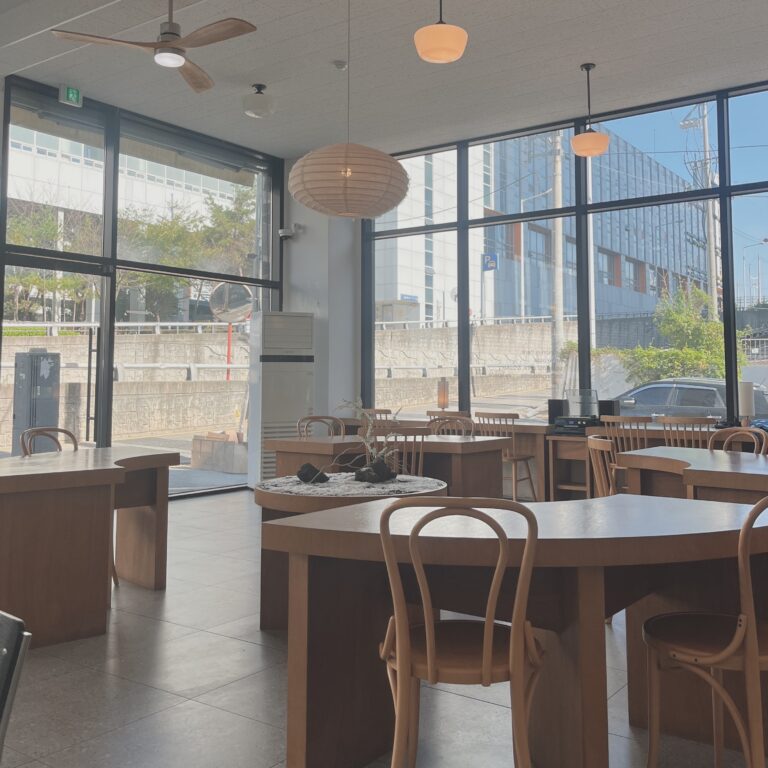
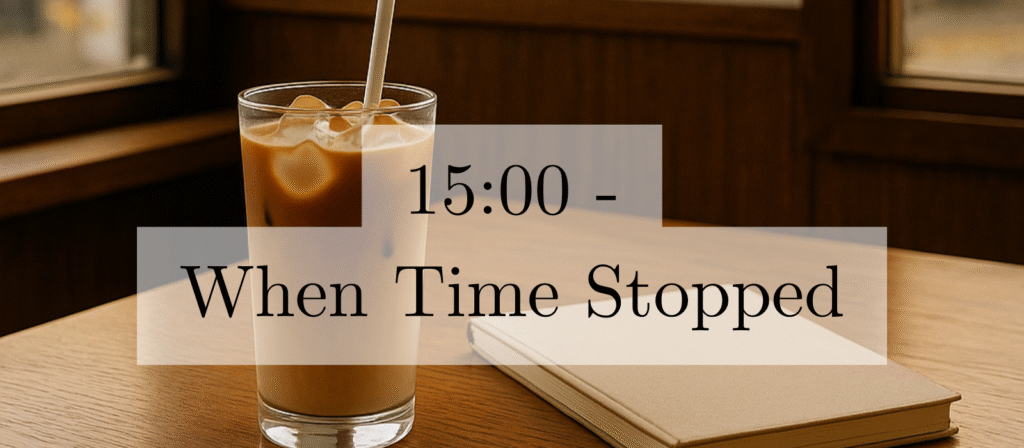
The hour between lunch and evening belongs to no one, which is why Clara has claimed it. Three o’clock is a held breath, a small pocket of time that doesn’t ask questions. She uses it the way some people use spare change—quietly, without telling anyone—spending it at the corner café with the pale wood counter and the little fern that drinks more sunlight than water.
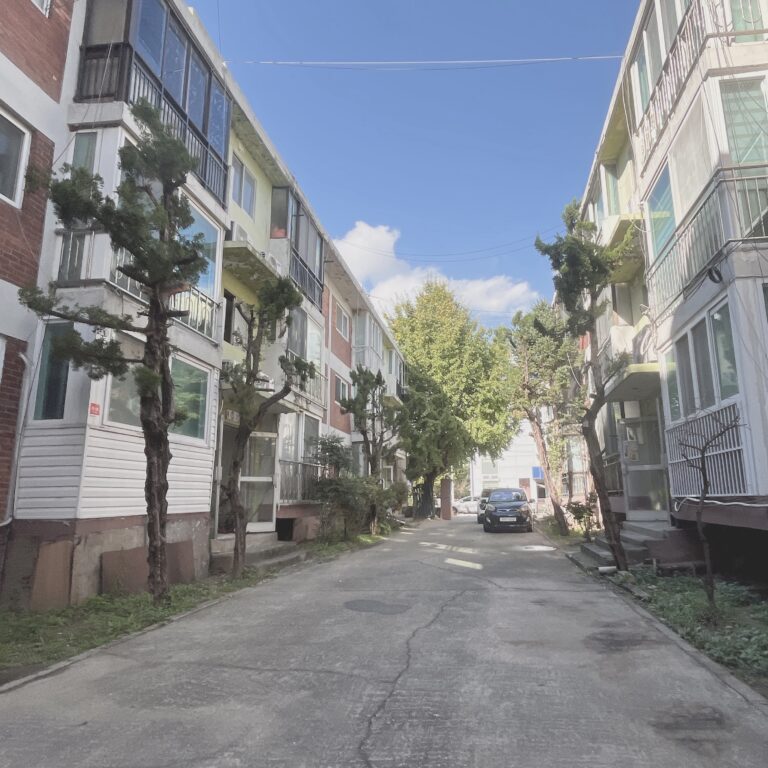
The bell over the door gives a gentle clink when she enters. The sound is familiar now, a small punctuation that tells her she’s arrived. Outside, late-autumn Seoul is burnished and slow: gingko leaves like coins underfoot, coats opening and closing with the wind, a bus sighing at the curb. Inside, the café is warm and humming. Not loud—just the soft machinery of afternoon. Milk steaming. Cups set down. Someone laughing under their breath at something on a screen.
She knows, before she looks up, that he’s there. He’s always there at this hour: sleeves rolled neatly to the forearms, hair pushed back in a way that looks unintentional and isn’t. She has learned the outline of him without meaning to. She doesn’t know his name. She doesn’t ask. The not-knowing feels delicate, like a snow globe she shouldn’t shake.
“Hello,” she says, and the word crosses the counter like a paper boat on shallow water.
His eyes lift. They are kind in the way of people who watch for details. “Hi.” A small smile. Not practiced. “The usual?”
She means to vary it today, to prove to herself that she isn’t only an accumulation of habits—but the mouth answers before she can: “Yes, please.” Iced latte, oat milk, less ice. The first few weeks she reordered the request each time, careful with her vowels, practicing the way they round in Korean. Then he started nodding before she finished, and the relief was pure and a little foolish. To be known in this tiny way. To be remembered for something as simple as “less ice.”
She pays, steps aside, and takes her post by the window. The table is two-seater small, the kind that asks you to tuck your elbows in. A ficus leaf drags a soft arc across the glass as the heat kicks on. She opens her bag and sets her notebook on the table, then her pen, then the bottle of hand lotion that makes her think of vanilla cookies and bookstores. The ritual orders her. She will write for thirty minutes, or she will pretend to. She will stir the drink three times and then try it. She will leave at 3:40, because 3:45 feels like a cliff edge she’d tumble over.
Her apartment is almost empty now. The suitcase is open on the floor like a mouth. Inside are pairs of socks rolled together like planets, a sweater her mother knit, a photograph of her and her sister on a pier in Michigan, laughing at something the camera didn’t catch. She has two days left. When she thinks of that number, something behind her sternum tightens, then releases. The feeling isn’t sadness exactly. It’s more like a hand hovering above a switch, not yet flipping the room to dark.
He sets the latte down in front of her, the condensation already forming. She notices the way he tips the glass so it won’t smack the table. She notices too much, she thinks. That, or not enough of the right things.
“Less ice,” he says, almost playful. It’s a small joke they’ve built: the fact that he always gets it right, the fact that she keeps being surprised. She thanks him, and he nods once like the thanks belongs to both of them.
When he walks away, she writes the date in the top corner of the page. The numbers look obedient, squared off. She considers adding where she is—Seoul, Mapo-gu—but she has written that word so many times in the last year that it feels unnecessary now, the way you stop labeling a drawing when everyone can see the shape of it.
What she wants to write about is the hour. The way 15:00 has become a room inside the day. A door she opens and closes. This café the hallway to that room; this man the clock on the wall. She doesn’t write that. It sounds sentimental even inside her head. Instead she writes about the light. How, at this time, it forgets to be bright. How it smooths everything out, edges and voices and impatience. The pen scratches faintly. She pauses, listens to the scrape of tamped coffee. The hiss.
She thinks of the first week she came. It was raining then, her second month in the city. She had been looking for a bakery she saw on Instagram and found this place instead, the sign a little crooked, a patch of moss growing stubbornly by the door. She remembers sitting down with her wet hair and her not-yet-useful umbrella, and how the barista didn’t look surprised at the mess she made, how he placed a folded napkin by her elbow like a bridge. She had written for an hour that day. The words were bad. She came back anyway.
On the sidewalk, a dog in a yellow sweater passes with a woman speaking on the phone, her voice lilting up in a laugh, then down. A taxi idles. Clara stirs the drink three times, listening to the clink of ice that isn’t there. She likes the way the cold slips over her tongue, the way the first sip is always a small, crisp yes.
She thinks of the conversations she didn’t have this year. How she learned to choose when to be understood and when to float. Some days, the silence felt like a coat that fit. Other days, it was a hallway with all the doors closed.
He moves through the space with a rhythm that says he’s memorized the corners. She watches him fill a pitcher of water and thinks of questions that would be simple if she let them be. What time do you get off? Do you live nearby? Have you ever been out of Seoul? Do you have a favorite season? He would answer, and the world would not break. But she holds the questions like smooth stones in her pocket and does not throw them. The not-throwing feels like control and also like a loss.
The old couple arrives—the ones who come after her most days. He holds the door for her, then she holds it for him, a choreography you’d think they rehearsed at home. The barista greets them with a different tone, a little louder for the man who is going deaf. “Ahjussi, long time,” he says, and the man waves him off with a smile that means I was here yesterday; stop teasing me. The familiarity warms the room a degree.
Clara flips to the back of her notebook. The last page is nearly blank. She should buy a new one, though she tells herself she doesn’t believe in symbolic last pages. It will simply be the last because the paper is ending. Nothing else. Still, the emptiness waits, white as possibility.
If she were a different person, she might ask his name today. There’s a world where she does, a world where he says it and it fits, and she carries it out into the afternoon like a charm in her pocket. There’s also a world where she never comes back and never knows and nothing is different except the shape of her afternoons. Both are real, which feels unfair. She writes that down: both are real. Then she crosses it out because the line looks like someone trying to be wise.
She glances at the wall clock—three exactly. No, a little after. The minute hand is a degree past the mark. Time hasn’t stopped. It never does. And yet this hour arranges itself around her as if she wears it. She thinks of home and how the clocks there will be wrong—backward or forward. She thinks of her mother asking what time it is over there and how she will always answer with the hour and never with the feeling.
The bell rings again as someone leaves. A gust presses the gingko scent through the door, dusty-sweet. She closes her eyes for a second and stores it. She wants to keep the particulars: the precise tint of the tabletops, the way the light forgets itself on cloudy days and remembers on clear ones, the barista’s careful hands, the napkin folded like a small square promise.
When she opens her eyes, her gaze meets his across the counter. Not a collision—more like two trains slowing at the same station, the windows briefly aligned. He looks away first. Or she does. It doesn’t matter. She writes another sentence that won’t make the final draft. She drinks. She looks at the clock again as if it owes her something.
She doesn’t realize it yet, not here, not in this first scene of an ending, but she has already started to say goodbye in the gentlest way she knows how: by showing up on time, by writing the date, by drinking the usual, by letting the hour be itself. By wanting, and not asking. By noticing, and not naming. By being one more person in a city taught to carry its soft things carefully.
At 3:20, the old couple shares a slice of chestnut cake. At 3:27, a bar of sunlight falls across her hand, and she moves it to feel the difference between warm and warm-through-glass. At 3:33, she tucks a strand of hair behind her ear and decides she will not cry when she leaves, not here in this place where she has challenged herself to be tender without breaking. At 3:36, she writes one clean, simple line on the bottom corner of the page and underlines it once:
thank you for every 3pm.
She doesn’t know yet where to put it—on paper, on a wall, on a heart—but she likes the way the e looks in “every,” the small roundness of it, how it keeps the rest of the word from falling forward. She caps her pen. She rests her hand on the notebook a moment longer, as if blessing it. Then she breathes in, and the café does too, and the hour leans toward 3:40 like a curtain lifting.
Siwoo never decided to memorize her. It happened the way light slips across a counter—by repetition, by habit, by accident. Every day at three, she arrives like a rhythm he didn’t know his life had learned.
He used to think afternoons were the dullest part of the day, the long pause between rushes. The hours after lunch drag; office workers fade into their phones; deliveries come late. The clock always seems to stick around 15:00, mocking him. But then she started coming, and the hour began to move differently—slow, yes, but warm, like sunlight filtered through linen.
He first noticed her because she looked lost. Not in the dramatic way tourists look—no wide eyes or spinning in circles—but in the quiet way people look when they don’t know what to do with their own thoughts. She’d walked in with rain in her hair, ordered her drink carefully, repeating the word “ice” twice like she wasn’t sure if she’d said it right the first time. He’d understood immediately, though. He’d smiled, slid a napkin toward her, and said, 괜찮아요—it’s okay.
That was eleven months ago.
Now, she’s a fixture of the café, even if no one else seems to notice. The regulars have their routines, the playlist never changes, and yet, when she’s here, the space feels arranged around her. He finds himself cleaning the table by the window before she arrives, adjusting the chair angle slightly to face the light better, wiping away fingerprints that no one else would ever see. He doesn’t think about what that means; he just does it.
“Another iced latte, oat milk, less ice,” he says softly as he preps her drink, mostly to himself. His coworker—Minho, a college kid working part-time—grins.
“Hyung, you say that like a prayer.”
Siwoo doesn’t answer. He adds the espresso shots slowly, watching the swirl of milk like it holds an answer.
He knows she’ll stir it three times. He knows she always pauses before the first sip, as if she’s waiting for permission. He knows that at exactly 3:33, she’ll glance toward the clock on the wall. It’s become a secret kind of choreography between them—unrehearsed, unspoken, but familiar.
She doesn’t talk much, but she smiles in a way that lingers, like she’s saving half of it for later. Sometimes, she writes without looking down. Sometimes, she stares out the window with her pen still in hand. He wonders what she writes about. Maybe she keeps track of the little things foreigners notice here—the way delivery scooters cut between cars, the stray cats sleeping on parked bikes, the clusters of old men who feed pigeons but pretend they’re not. Maybe she writes about how this café smells faintly of citrus in the morning, of roasted beans in the afternoon. Maybe she writes about him, though that thought makes his throat tighten. He doesn’t want to assume that much space in someone else’s story.
Still, he notices everything about her. The soft fray on her sweater’s sleeve. The tiny scar on her left thumb, white against her skin. The way she sometimes bites the inside of her cheek when thinking. The quiet sigh she gives when she finishes a sentence.
He doesn’t know if noticing someone this much is supposed to mean something. But he can’t help it.
When she came in today, something was different. He caught it before she even spoke—some shift in the air around her. Maybe it’s her eyes; they look the way the city does right before it rains.
“Hello,” she said, in that calm voice that still carries an accent he likes hearing.
He almost asked, You’re leaving soon, aren’t you? The words reached his tongue and stopped there. Instead, he smiled. “The usual?”
“Yes, please.”
There was a small hitch before she said it, like she’d hesitated. That’s how he knows. People hesitate before goodbyes, even when they don’t say them.
He wants to ask where she’s going. Whether she’ll come back. He imagines her at an airport, surrounded by people who speak her language but don’t know her rhythms. He imagines the empty window seat tomorrow, the way the light will fall without her there to catch it. He imagines the hour without its anchor.
He finishes her drink and sets it on the counter. She takes it with both hands like it’s something precious. “Less ice,” he jokes quietly, and the way she smiles makes the joke feel brand new again.
She thanks him. He nods. It’s their script.
He wonders what would happen if he said something unscripted—something reckless. Something like, Stay a little longer. Or even just, Tell me your name. But the words feel too loud for this soft hour, too sharp for her gentleness.
He watches her walk back to the window seat. She opens that small brown notebook again—the one with frayed edges and a pen tucked into the spine. He’s seen her carry it every day. He imagines it filled with sketches of moments: the smell of roasted beans, the hum of the espresso machine, maybe even the sound of his voice saying less ice. He’s never seen the pages, but he likes thinking the café exists inside them somehow. Maybe that’s enough. Maybe that’s the way you get remembered in someone else’s language.
He wipes the counter even though it’s already clean. Minho glances at him again.
“She’s leaving, isn’t she?” the younger boy asks quietly, eyes still on his phone.
Siwoo pauses. “…How do you know?”
“Everyone leaves around this time of year,” Minho shrugs. “The exchange students, the teachers. It’s just the season.”
The season. As if there’s a predictable time for people to disappear.
Siwoo doesn’t respond. He just goes back to polishing the steel pitcher until he can see his reflection. His expression looks steady, but his chest feels off-balance. It’s not sadness, not exactly. It’s the realization that routine has betrayed him—he built his comfort on something that isn’t permanent.
He looks up again. She’s writing. The way she moves her pen—slow, deliberate, like she’s tracing her own thoughts—makes him ache a little. He wants to ask what language she thinks in when she writes. Whether she dreams in English or Korean now. Whether she’s ever written about this café. About him.
When the old couple comes in, he greets them louder, maybe too loudly, as if sound can distract from feeling. He makes their drinks, takes their cash, and lets their chatter fill the room. Behind them, Clara is still at her table, the light on her hair turning it the color of honey.
She doesn’t see him watching, but that’s okay. He’s gotten used to watching quietly.
He remembers when his father used to tell him, Love isn’t always loud, Siwoo-ah. Sometimes it’s just noticing things and letting them be. He was a boy then, too young to understand that “letting them be” can sometimes feel like loss. Now he does. He finally does.
The clock ticks—barely audible, but he feels it. 15:27. The light angles lower. He knows she’ll leave soon. He wishes he could stop time, just enough to stretch the moment, to press it between pages like a flower. But time never listens.
At 15:33, she glances up at the clock, right on cue. He smiles without meaning to. She doesn’t notice. She’s writing something down—one line, small, quick. Then she closes her notebook, caps her pen, and sits still for a moment as if memorizing the air itself.
He watches her gather her things, stand, adjust her bag strap. He feels something move inside him—urgent, unsteady, like a wave about to break—but he stays behind the counter. Always behind the counter.
When she leaves, the bell gives its small, familiar chime. The sound hits him differently this time. It doesn’t feel like punctuation. It feels like an ending.
He tells himself he’ll just clean the table in a minute. That he won’t look at the chair she sat in. That he won’t notice the tiny curl of steam still rising from her glass.
But he will. He always does.
And when he finally walks over, cloth in hand, he’ll find something she left behind.
He doesn’t know it yet. Not here.
Right now, he only knows the hour feels heavier than usual—like even time is waiting for him to do something about it.
The café is quieter now. The old couple hasn’t come in today, and the delivery guy dropped off beans an hour early, so it’s just Siwoo and the hum of the espresso machine. He stands at the counter, polishing the same cup for the fifth time, trying not to glance at the door even though he knows she’s already gone.
He feels her absence like an echo. The space where she sat is too still, too clean. Her cup still rests there — half a ring of condensation marking the table, faint but perfect.
Minho peeks out from the back, headphones slung around his neck. “You good, hyung?”
Siwoo nods without looking up. “Yeah.”
Minho shrugs, grabs his jacket, and leaves for class, the bell over the door giving that same soft chime. Siwoo listens until it stops ringing, then finally sets the cup down. The café is his again — or maybe it’s emptier than it’s ever been.
He makes his rounds like always: wiping tables, straightening chairs, emptying the trash. Routine saves him from thinking too much. But when he reaches her table, he hesitates.
Her straw wrapper lies curled on the surface, a small paper spiral. Beside it, the receipt folded in half beneath the empty glass. He almost tosses it away — another automatic motion — but something about the way it’s placed feels deliberate.
He unfolds it carefully.
thank you for every 3pm.
— Clara
He reads it twice, the words swimming slightly, as if his eyes have forgotten how to stay still.
Clara.
So that’s her name.
He says it under his breath, tasting the syllables, the soft r in the middle. Cla-ra. It feels foreign but gentle, like a name that belongs to sunlight. He imagines how it would sound if he’d asked earlier. He imagines her turning her head when he said it, the corner of her mouth lifting.
Too late.
He looks toward the window. The light has shifted — sharper now, more gold than before — and the reflection in the glass catches the clock above the counter. 15:00. Still. He wonders if it’s broken or if the hands are just stubborn.
His gaze drops back to the table, and that’s when he sees it.
A small, brown notebook resting on the chair.
He freezes.
For a moment, he just stares at it, unsure whether to touch it. It feels personal, sacred even — like she’s left a piece of herself behind. But the thought of her realizing it’s missing makes his stomach twist.
He reaches for it, careful not to smudge the cover. The leather is warm from where she held it. When he opens it, he sees neat handwriting, English letters looping across the page, some Korean words sprinkled in the margins. The ink is dark, recent. The last page is torn out.
He knows what that means.
She left him the note — but forgot the rest.
A quiet panic stirs under his ribs. He doesn’t think. He just grabs his jacket from the hook and runs.
Outside, the street is drenched in that golden, forgiving light that only exists for ten minutes before dusk. He scans the block, heart hammering. She’s already halfway down the street — her brown hair catching the sun, her scarf trailing behind like punctuation.
“Clara!”
The name feels strange and right all at once. It cuts through the sound of traffic, sharp and bright. She stops. Turns.
Her eyes widen when she sees him, and for a moment neither of them moves.
He jogs the rest of the way to her, the notebook in hand. “You left this,” he says, a little breathless.
She blinks, then looks at the notebook. “Oh—” She laughs softly, almost embarrassed. “I didn’t even notice.”
He holds it out to her. Their fingers brush as she takes it, and something in that touch roots itself deep, quick as a heartbeat.
“Thank you,” she says, and her voice trembles just slightly.
He wants to say, Don’t thank me. Just stay. But he only nods.
Behind them, the café’s window reflects the moment like a photograph. The clock inside, frozen at 15:00, glows faintly above the counter.
Neither of them sees it, but the hour has stopped again — right where it always belonged.
For a long second, they just stand there. The city moves around them — a bus pulls up, a couple passes by, someone’s phone rings — but none of it matters. The only real sound is the faint thrum of their unspoken words.
Finally, she smiles. “For every 3 p.m., right?”
He exhales a quiet laugh, one that feels both like relief and ache. “Yeah.”
She clutches the notebook close to her chest. “Goodbye, Siwoo.”
It’s the first time she’s said his name. He realizes she must’ve read it on his apron, small and stitched near the pocket. Hearing it in her voice undoes him just a little.
He watches her turn, watches her walk away.
He doesn’t follow.
Not yet.
He stands there until she disappears around the corner, until the sound of her steps fades into the hum of the city. Then he looks down at his hands — empty now — and lets out a slow breath that feels like both ending and beginning.
When he finally walks back into the café, the light has softened, slipping toward evening. The air smells of ground beans and quiet.
The clock above the counter still reads 15:00.
He leaves it that way.
He doesn’t notice the faint indentation left on the table where her cup once sat, or the tiny trace of ink smudged into the wood where she rested her pen. He’ll find those tomorrow, when he’s wiping down the counter again, when he’s wondering whether some things are meant to end or just pause.
For now, it’s enough that her name still lingers in his mouth — soft, like a prayer.
The End.
ALTERNATE ENDING
The flight leaves Incheon just after sunset.
The sky outside Clara’s window is layered in gold and gray, a watercolor horizon that looks almost like the one she watched fade through the café window every afternoon. The seatbelt light blinks. The air is cool, recirculated, humming softly around her.
She leans back, resting her head against the seat. Her hands still smell faintly of roasted coffee beans. She can’t shake the image of him standing outside the café door, breathless, the late light pooling behind him. The way he said her name — how it landed softly, like it had always belonged to his voice.
Clara.
She doesn’t remember what she said in return, only that her throat had felt too tight to say much at all. Just thank you and goodbye. Words that never quite hold enough.
The seat beside her is empty, the kind of small mercy long flights sometimes give. She opens the tray table, sets down a bottle of water, and pulls her brown notebook from her bag. It’s scuffed from travel, the corners curling slightly. She runs her thumb over the cover, over the faint mark where his fingers touched it when he handed it back.
The first few pages are filled with things she wrote when she first arrived in Korea — messy, uncertain handwriting, small Korean phrases she wanted to remember:
괜찮아요. (gwaenchana)
조심히 가요. (joshimhigayo)
안녕. (annyeong)
Hello. Be careful. Goodbye.
She flips through until she reaches the back. That’s when she notices it — something new tucked between the pages.
A folded slip of paper.
Her heart stutters. She didn’t put that there.
She opens it carefully, flattening it against her knee. The handwriting is neat but slightly uneven, like someone who doesn’t often write in English but wanted to get every letter right.
You left this behind twice.
Maybe that means you’ll come back.
— Siwoo
☕ 010-XXXX-XXXX
For a moment, she just stares. The hum of the plane fades, replaced by the slow thud of her heartbeat.
He must’ve slipped it in when he found the notebook — before he ran after her. Or maybe after, in that second when she was turning away. She imagines him standing there, the paper in hand, deciding whether to leave a piece of himself behind.
Her eyes sting before she can stop them. She presses the note between her fingers, smiling in spite of herself.
Outside, the clouds open like quiet waves beneath the wing. Somewhere far below, Seoul glows — a scatter of streetlights, a single city among millions, holding the small café where time stopped at 15:00.
She takes out her pen, flips the paper over, and writes beneath his message in tiny, looping script:
Maybe I will.
She folds it again, tucks it back inside the notebook, and presses it shut like sealing a promise.
The flight attendant walks by, offering water, and Clara shakes her head with a soft smile. She looks out the window once more. The plane cuts through the last sliver of sunlight, and for a fleeting second, the sky burns the same shade of amber as the café at 3 p.m.
She whispers his name under her breath, just to hear it.
“Siwoo.”
It sounds almost like home.
And when she closes her eyes, it’s still 15:00 — somewhere, in a little café on a quiet street, where a clock has forgotten to move.
The End.
Author’s Note
“15:00” was written as a quiet reflection on time, connection, and the spaces we occupy in between — those fleeting hours that never quite belong to anyone but somehow end up belonging to someone anyway.
When I first listened to Junhee’s “too bad (15:00)”, what struck me wasn’t just the melancholy, but the stillness — the feeling of an emotion held just before it breaks. That’s what I wanted to capture here: the ache of a routine turned memory, the beauty of something almost but not quite said.
Clara and Siwoo’s story isn’t grand or dramatic. It’s about the small things that make us human — repetition, ritual, timing, and the ways we say “I cared” without ever saying it aloud. Every 3 p.m. visit was its own love letter, written not through words, but through showing up. And I think that’s one of the most tender forms of love there is.
The frozen clock at 15:00 became my quiet metaphor for suspended time — that sacred space between knowing and letting go. For Siwoo, it’s where memory lives. For Clara, it’s where courage begins. And for both of them, it’s proof that connection, even brief, can leave something lasting behind.
The hopeful ending exists because I wanted to remind myself (and maybe you, too) that timing isn’t always kind — but sometimes, it waits. Sometimes, it gives us another chance.
Thank you for spending 3 p.m. with them.
If you enjoyed this story, you can read my ongoing series Dawon Apartments — a quiet slice of life about the people who share one villa and all the small moments in between.
Read with: Junhee – “too bad (15:00)“
withluv
점심과 저녁 사이의 그 한 시간은 누구의 것도 아니기에, 클라라가 차지했다. 오후 세 시는 멈춰 선 숨, 질문을 요구하지 않는 작은 시간 주머니다. 그녀는 그것을 어떤 이들이 잔돈을 쓰듯—조용히, 누구에게도 알리지 않은 채—창가에 고사리 한 포트가 물보다 햇빛을 더 마시는, 옅은 나무 결의 카운터가 있는 모퉁이 카페에서 써 버린다.
문 위의 종이 딸랑, 하고 부드럽게 울린다. 이제는 익숙한 소리, 도착했다는 걸 찍어 주는 작은 문장부호. 바깥의 늦가을 서울은 황금빛으로 눅여지고 느릿하다. 은행잎은 발밑에서 동전처럼 반짝이고, 바람에 코트가 열렸다 닫히고, 정류장의 버스가 한숨을 쉰다. 안쪽의 카페는 따뜻하고 윙윙거린다. 시끄럽지는 않다—오후의 부드러운 기계음일 뿐. 우유가 데워지는 소리. 잔이 내려앉는 소리. 누군가 화면을 보며 숨죽여 웃는 소리.
그녀는 고개를 들기 전부터 그가 있는 걸 안다. 이 시간엔 늘 그가 있다. 소매는 깔끔히 팔꿈치까지 걷었고, 무심한 듯 뒤로 넘긴 머리는 사실 의도적이다. 원치 않았지만 그녀는 그의 윤곽을 익혔다. 이름은 모른다. 묻지 않는다. 모르는 채로 있는 감각이, 흔들면 안 될 스노 글로브처럼 섬세하게 느껴진다.
“안녕하세요.” 그녀가 말한다. 그 한 마디가 잔잔한 물 위의 종이배처럼 카운터를 건넌다.
그가 눈을 든다. 디테일을 살피는 이들의 친절한 눈이다. “안녕하세요.” 작은 미소. 연습된 게 아니다. “늘 드시던 거요?”
오늘은 달리해 보려 했다. 습관의 집합체만은 아니라는 걸 스스로에게 증명하려고—그런데 입이 먼저 대답한다. “네, 부탁해요.” 아이스 라테, 오트 밀크, 얼음은 적게. 처음 몇 주 동안은 주문을 매번 다시 말했고, 모음을 한국어처럼 둥글게 만드는 연습도 조심스레 했다. 그러다 그가 그녀가 끝내기도 전에 고개를 끄덕였고, 그때의 안도감은 순전하고 조금은 어리석었다. 이렇게 작은 방식으로 알린다는 것. “얼음 적게”라는 단순함으로 기억된다는 것.
계산을 하고 한쪽으로 물러난 뒤, 창가 자리의 그녀 자리로 간다. 두 사람이 겨우 앉는 작은 테이블, 팔꿈치를 오므리라 말하는 크기. 난방이 켜지자 고무나무 잎 하나가 유리 위로 부드러운 호(弧)를 그린다. 그녀는 가방을 열고 노트를 올려놓고, 그 옆에 펜을, 그리고 바닐라 쿠키와 서점이 떠오르는 핸드로션을 올려놓는다. 이 의식이 그녀를 정돈한다. 그녀는 30분 동안 쓰거나, 쓰는 척을 하거나 할 것이다. 음료를 세 번 젓고 한 모금 마실 것이다. 3시 40분에 떠날 것이다. 3시 45분은 그녀가 굴러 떨어질 절벽처럼 느껴지기 때문이다.
그녀의 집은 이제 거의 비어 있다. 바닥에는 입을 벌린 듯 캐리어가 열려 있고, 그 안에는 행성처럼 말려 둔 양말들, 엄마가 떠준 스웨터 하나, 미시간의 부두에서 그녀와 쌍둥이 언니가 카메라가 잡아내지 못한 무엇엔가 웃고 있는 사진 한 장이 들어 있다. 이틀 남았다. 그 숫자를 생각하면, 흉골 뒤쪽 어딘가가 조여들었다가 풀린다. 정확히 슬픔이라고 하긴 어렵다. 아직 스위치를 내리지 않은, 위에 떠 있는 손 같은 기분이다.
그가 라테를 그녀 앞에 놓는다. 벌써 성에가 맺힌 잔. 테이블이 탁 치이지 않도록 살짝 기울여 내려놓는 그의 손길이 보인다. 그녀는 너무 많은 것을 눈여겨본다, 싶다. 아니면 정작 중요한 건 충분히 보지 못하거나.
“얼음 적게요.” 그는 장난스럽게 말한다. 둘이 함께 쌓아 올린 작은 농담이다. 그가 늘 정확히 맞히는 사실, 그녀는 늘 놀란다는 사실. 그녀가 고맙다고 하면, 그는 그 고마움이 둘의 몫이기라도 한 듯 한 번 고개를 끄덕인다.
그가 돌아서자, 그녀는 페이지 오른쪽 위에 날짜를 적는다. 각진, 얌전한 숫자들. ‘서울, 마포구’까지 적을까 잠시 고민하지만, 지난 1년 동안 그 단어를 너무 많이 적어 이제는 굳이 표기하지 않는 그림 제목처럼 느껴진다. 누구나 그 모양을 보면 안다.
그녀가 쓰고 싶은 건 그 한 시간에 관해다. 15:00가 하루 속의 작은 방이 된 방식. 그녀가 열고 닫는 문. 이 카페는 그 방으로 들어가는 복도이고, 이 남자는 벽에 걸린 시계. 그녀는 그것을 쓰지 않는다. 머릿속에서조차 감상적으로 들린다. 대신 그녀는 빛을 쓴다. 이 시간의 빛은 밝아야 한다는 걸 잊어버린다. 모든 것을 매끈하게 만든다. 모서리도, 목소리도, 조급함도. 펜이 희미하게 긁힌다. 그녀는 잠시 멈춰, 다져진 커피가 긁히는 소리를 듣는다. 치익.
첫 주를 떠올린다. 비가 왔다. 도시 두 달 차. 인스타그램에서 본 빵집을 찾다가 이곳을 우연히 발견했다. 약간 비뚤어진 간판, 문가에 고집스럽게 자란 이끼 한 조각. 젖은 머리와 아직 쓸모를 못 찾은 우산을 들고 앉았을 때, 그가 엉망이 된 그녀를 이상하게 여기지 않았던 것. 팔꿈치 옆에 접은 냅킨을 다리처럼 건네주었던 것. 그날 그녀는 한 시간 내내 썼다. 글은 엉망이었다. 그럼에도, 그녀는 다시 왔다.
보도 위로 노란 스웨터를 입은 강아지가 지나가고, 통화 중인 여자의 목소리는 웃음에 올라갔다가 내려간다. 택시는 공회전 중. 클라라는 얼음 없는 컵에서 들릴 리 없는 얼음 소리를 상상하며 세 번 저은 다음, 첫 모금을 마신다. 차가움이 혀를 미끄러지듯 지나가는 느낌, 첫 모금이 늘 작고 또렷한 ‘응’이 되는 게 좋다.
그녀는 올해 하지 않은 대화들을 생각한다. 이해받을 때를 고르고, 떠다닐 때를 골랐던 법. 어떤 날엔 침묵이 딱 맞는 코트 같았고, 어떤 날엔 문이 죄다 닫힌 복도 같았다.
그는 모서리를 외울 만큼 리듬을 가진 몸짓으로 공간을 움직인다. 그녀는 그가 물병을 채우는 모습을 보며, 마음만 먹으면 단순했을 질문들을 떠올린다. 몇 시에 퇴근해요? 근처에 사세요? 서울 밖으로 나가 본 적 있어요? 좋아하는 계절이 있어요? 그는 대답할 것이다, 그리고 세상은 부서지지 않을 것이다. 그러나 그녀는 그 질문들을 주머니 속 매끈한 조약돌처럼 쥐고 던지지 않는다. 던지지 않음은 통제처럼 느껴지고 동시에 상실처럼도 느껴진다.
노부부가 들어온다—대개 그녀 다음에 오는 그들. 그는 그녀의 문을 열어주고, 그녀는 다시 그의 문을 잡아준다. 마치 집에서 연습이라도 한 듯한 안무. 바리스타는 다른 톤으로 그들을 맞는다. 귀가 어두워지는 남자를 위해 조금 더 크게. “아저씨, 오랜만이에요.” 남자는 어제도 왔다는 듯 손으로 휘휘 저으며 웃는다. “그만 놀려.” 익숙함이 방의 온도를 한 도 올린다.
클라라는 노트의 뒤쪽으로 넘긴다. 마지막 장은 거의 비어 있다. 새 노트를 사야겠다. 상징적인 ‘마지막 페이지’를 믿지 않는다고 스스로에게 말하지만, 그래도 마지막은 마지막이다. 종이가 다해서 그뿐. 그럼에도, 그 여백은 가능성처럼 하얗게 기다린다.
다른 사람이었다면, 오늘 그의 이름을 물었을지 모른다. 물었고, 그의 이름이 잘 맞았고, 그녀가 그 이름을 작은 부적처럼 주머니에 넣고 오후로 걸어 나가는 세계. 또 다른 세계에서는 그녀가 다시 오지 않고, 영영 모르고, 달라지는 건 오후의 모양뿐이다. 둘 다 진실이다. 부당하게 느껴진다. 그녀는 ‘둘 다 진짜다’라고 적는다. 그리고 현명한 척하는 줄로 보여서 지운다.
벽시계를 흘긋 본다—딱 세 시. 아니, 조금 지났다. 분침이 눈금에서 한 도 지난 자리. 시간은 멈추지 않는다. 결코 멈추지 않는다. 그런데도 이 시간은 마치 그녀가 입는 옷처럼 그녀를 중심으로 배열된다. 그녀는 집을 떠올린다. 그곳의 시계들은 항상 틀릴 것이다—앞서거나 뒤처지거나. 엄마가 저기는 지금 몇 시냐고 물으면, 그녀는 늘 ‘몇 시’라고만 대답하고, 그 시간의 ‘감정’으로는 대답하지 않을 것이다.
종이 한 번 더 울리고 누군가가 나간다. 문틈으로 은행잎 냄새가 들어와, 먼지 섞인 달큼함을 남긴다. 그녀는 눈을 가볍게 감고 그 냄새를 저장한다. 세부들을 가지고 있고 싶다. 테이블 색의 정확한 틴트, 맑은 날과 흐린 날에 따라 빛이 자신을 잊고 기억하는 방식, 바리스타의 조심스러운 손, 작은 정사각형의 약속처럼 접힌 냅킨.
눈을 뜨자, 카운터 너머 그의 시선과 그녀의 시선이 맞물린다. 충돌이라기보다, 같은 역에 속도를 늦춘 두 기차의 창이 잠깐 나란히 서는 순간. 먼저 눈을 돌린 건 그인가, 그녀인가. 중요하지 않다. 그녀는 최종 원고에 남지 않을 문장을 하나 더 쓴다. 마신다. 마치 시간이 그녀에게 빚이라도 진 듯 다시 시계를 본다.
아직은 알지 못한다. 여기, 이 ‘끝의 첫 장면’에서는. 그러나 그녀는 이미 가장 부드러운 방식으로 이별을 시작했다. 제시간에 도착하기, 날짜 쓰기, 늘 마시던 것을 마시기, 이 시간을 이 시간답게 두기. 바라되 묻지 않기. 이름 붙이지 않고 눈여겨보기. 부드러운 것을 조심히 들고 다니도록 훈련된 도시의 한 사람으로 존재하기.
3시 20분, 노부부는 밤톨 케이크를 나눠 먹는다. 3시 27분, 햇빛 한 줄기가 그녀의 손을 스친다. 그녀는 손을 옮겨 ‘따뜻함’과 ‘유리를 통과한 따뜻함’의 차이를 느낀다. 3시 33분, 그녀는 귀 뒤로 머리카락 한 가닥을 넘기고, 떠날 때 울지 않겠다고, 부서지지 않고 부드러움을 연습한 바로 이곳에서는 그러지 않겠다고 다짐한다. 3시 36분, 페이지 모서리에 깔끔하고 단순한 문장 하나를 적고 한 번 밑줄을 그린다.
thank you for every 3pm.
그 문장을 어디에 둘지는 아직 모른다—종이에, 벽에, 마음에. 다만 she는 ‘every’의 e가 만드는 둥근 모양이 마음에 든다. 그 글자 하나가 나머지 단어가 앞으로 고꾸라지지 않게 붙잡아 주는 느낌. 그녀는 펜 뚜껑을 닫는다. 노트 위에 한동안 손을 올린 채, 축복이라도 하듯 멈춘다. 그리고 숨을 들이쉰다. 카페도 함께 들이쉰다. 커튼이 올라가듯, 시간이 3시 40분을 향해 기운다.
시우는 그녀를 외우겠다고 마음먹은 적이 없다. 빛이 카운터를 스치듯—반복과 습관과 우연로—그렇게 되어 버렸다. 매일 세 시, 그의 삶이 익혀 온 리듬인지도 몰랐던 리듬처럼 그녀는 도착한다.
예전엔 오후가 하루 중 가장 지루한 시간이라 여겼다. 두 번의 붐 사이에 끼인 긴 쉼표. 점심 지나서는 시간이 늘어지고, 사무직 손님들은 폰 속으로 사라지고, 납품은 늦는다. 시계는 꼭 15:00쯤에 멈춘 듯했다. 그를 놀리듯. 그런데 그녀가 오기 시작하면서, 그 시간은 다르게 움직이기 시작했다—느리지만 따뜻하게, 마치 리넨을 통과한 햇빛처럼.
처음 그녀를 눈여겨본 건, 그녀가 길을 잃은 사람처럼 보였기 때문이다. 관광객처럼 호들갑스럽지는 않았다—눈을 크게 뜨거나 빙빙 돌지도 않았다—대신 자신의 생각을 어디에 둘지 모르는 사람들의 조용한 표정이었다. 그녀는 비를 머금고 들어와, 단어 하나하나를 조심스레 고르며 주문했다. ‘얼음’을 두 번 반복하면서, 처음에 제대로 말했는지 확신이 없는 듯. 그는 곧장 알아들었고, 미소를 지으며 냅킨을 그녀 쪽으로 밀었다. “괜찮아요.”
그게 열한 달 전이다.
이제 그녀는 카페의 한 부분이다. 다른 누구도 눈치채지 못한다 해도. 단골들은 각자의 루틴이 있고, 플레이리스트는 변함이 없지만, 그녀가 있을 때는 공간이 그녀를 중심으로 정렬되는 듯하다. 그는 그녀가 오기 전 창가 테이블을 먼저 닦고, 의자의 각도를 빛을 조금 더 담게끔 아주 살짝 틀고, 아무도 보지 않을 지문 자국을 닦아낸다. 의미를 따지지 않는다. 그냥 한다.
“아이스 라테, 오트, 얼음은 적게.” 그는 거의 혼잣말처럼 낮게 주문을 되뇌며 그녀의 음료를 준비한다. 아르바이트생 민호가 히죽 웃는다.
“형, 거의 기도처럼 말하네요.”
시우는 대답하지 않는다. 천천히 에스프레소를 붓고, 우유와 섞이는 소용돌이를 답이라도 되는 듯 바라본다.
그녀가 음료를 세 번 저을 거라는 걸 안다. 첫 모금 전에 늘 잠깐 멈춰 허락을 기다리는 듯한 그 습관도. 정확히 3시 33분에 그녀가 벽시계를 흘긋 볼 것도. 둘 사이의 비밀 안무다—연습도, 대사도 없지만 익숙한.
그녀는 말을 많이 하진 않지만, 미소가 오래 남는다. 마치 그 절반을 나중을 위해 아껴 두는 듯. 때로는 아래를 보지 않고도 쓴다. 때로는 펜을 쥔 채 창밖만 본다. 그는 그녀가 무엇을 쓰는지 궁금하다. 외국인이 여기서 눈여겨보는 자잘한 것들을 적는 건지—차 사이를 가르는 배달 오토바이, 멈춘 자전거 위에서 자는 길고양이, 비둘기에게 몰래 밥을 주면서도 아닌 척하는 할아버지들. 아침엔 감귤 향이, 오후엔 볶은 원두 향이 흐르는 이 카페에 관해 적는 건지. 어쩌면 자신에 대해 적을지도 모른다는 생각이 들면 목이 살짝 메인다. 누군가의 이야기에 자신이 그만큼 공간을 차지한다고 가정하고 싶지는 않다.
그럼에도 그는 그녀에 관한 모든 것을 눈여겨본다. 스웨터 소매 끝의 여린 해짐. 왼 엄지에 남은 작은 흉터. 생각할 때 가끔 뺨 안쪽을 살짝 깨무는 버릇. 한 문장을 끝냈을 때 새어 나오는 조용한 한숨.
누군가를 이만큼 눈여겨본다는 것이 무엇을 뜻하는지, 그는 모른다. 다만 멈출 수가 없다.
오늘 그녀가 들어왔을 때, 무언가 달랐다. 말하기 전부터 감지했다—그녀 주변의 공기가 바뀐 것 같은 느낌. 아마 눈 때문일까; 비 오기 직전 도시처럼 보인다.
“안녕하세요.” 여전한, 액센트가 남아 있어 그가 좋아하는 그 침착한 목소리로.
그는 거의 물을 뻔했다. 곧 떠나시죠, 하고. 혀끝까지 올라왔지만 멈췄다. 대신 미소 지었다. “늘 드시던 거요?”
“네, 부탁해요.”
말하기 전 아주 얇은 머뭇거림이 있었다. 그래서 그는 안다. 사람들은 이별 앞에서 머뭇거린다. 말하지 않는다 해도.
어디로 가는지 묻고 싶다. 돌아올 건지. 그는 그녀가 공항에 서 있는 모습을 상상한다. 그녀의 리듬을 모르는, 하지만 그녀의 언어를 아는 사람들 사이에서. 내일의 빈 창가 자리도 상상한다. 그녀가 받쳐 주지 않을 빛이 떨어지는 방식. 닻을 잃은 그 한 시간.
그는 그녀의 음료를 마치고 카운터에 올려둔다. 그녀는 소중한 것을 받듯 두 손으로 잔을 받는다. “얼음 적게.” 그가 낮게 농담하면, 그녀의 미소가 그 농담을 다시 처음처럼 만들어 준다.
그녀는 고맙다고 말한다. 그는 고개를 끄덕인다. 둘의 대본이다.
그가 대본 바깥의 말을 한다면 어떨까—조심성 없는 말, 무모한 말. “조금만 더 있다 가요.” 혹은 “이름이 뭐예요.” 같은. 하지만 그런 말들은 이 부드러운 시간에는 너무 크고, 그녀의 온화함에는 너무 날카롭게 느껴진다.
그녀가 창가 자리로 돌아간다. 다시 그 작은 갈색 노트를 펼친다—모서리가 해진, 등짝에 펜을 꽂아 두는 그 노트. 그는 그녀가 매일 그것을 들고오는 걸 봐 왔다. 그 안에 순간들이 스케치되어 있을 거라 상상한다. 볶은 원두 냄새, 머신이 내는 잔향, 심지어 자신이 말하는 ‘얼음 적게’라는 소리까지. 페이지를 본 적은 없지만, 카페가 그 안에 존재한다고 믿는 게 좋다. 어쩌면 그걸로 충분할지도. 누군가의 다른 언어로 기억되는 방식이 그런 것일지도.
그는 이미 깨끗한 카운터를 한 번 더 닦는다. 민호가 힐끔 그를 본다.
“떠나시나 봐요, 그분.” 폰에서 눈을 떼지 않은 채 낮게 묻는다.
시우가 멈춘다. “…어떻게 알았어?”
“이맘때 다 떠나잖아요.” 민호가 어깨를 으쓱한다. “교환학생도, 선생님들도. 그런 시즌이죠.”
시즌이라니. 사람들이 사라지는 시기를 예고라도 하듯.
시우는 대답하지 않는다. 스틸 피처를 거울처럼 광낼 때까지 닦는다. 표정은 평온해 보이지만, 가슴 속은 균형이 무너진 듯 어딘가 비뚤다. 정확히 슬픔이라고 하긴 어렵다. 루틴이 그를 배신했다는 자각—그가 편안함을 쌓은 토대가 영속이 아니었다는 사실.
그는 다시 고개를 든다. 그녀는 쓰고 있다. 생각을 따라가듯 천천히, 신중하게 움직이는 펜끝이 그를 조금 아리게 만든다. 그녀가 어떤 언어로 생각하며 쓰는지 묻고 싶다. 꿈은 이제 영어로 꾸는지, 한국어로 꾸는지. 이 카페에 관해 한 줄이라도 쓴 적이 있는지. 자신에 관해서는… 더더욱.
노부부가 들어오자, 그는 평소보다 조금 크게 인사를 건넨다. 감정을 소리로 덮을 수 있기를 바라듯. 음료를 만들고, 현금을 받고, 그들의 수다가 공간을 채우게 둔다. 그 뒤로, 클라라는 여전히 자리에 앉아 있다. 빛이 그녀의 머리카락에 내려앉아 꿀빛이 된다.
그녀가 자신을 보지 못해도 괜찮다. 그는 조용히 보는 데 익숙해졌다.
어릴 적 아버지가 말하곤 했다. “사랑이 늘 큰 소리로 오는 건 아니다, 시우야. 가만히 지켜보고 그대로 두는 것도 사랑이다.” 그때는 어려서 ‘그대로 둔다’가 때로 상실처럼 느껴질 수 있다는 걸 몰랐다. 이제 안다. 마침내.
시계가 뚜벅, 거의 들리지 않게 걷는다. 15:27. 빛이 낮게 기운다. 곧 그녀가 떠날 걸 그는 안다. 시간을 잠깐만 멈출 수 있으면—순간을 늘여 책갈피처럼 눌러 둘 수 있으면—하지만 시간은 듣지 않는다.
15:33, 그녀가 정확히 맞춰 시계를 본다. 그는 모르게 미소 짓는다. 그녀는 보지 못한다. 그녀는 무엇인가를 적는다—짧은 한 줄. 재빨리. 그리고 노트를 닫고, 펜 뚜껑을 닫고, 잠시 가만히 앉는다. 공기 자체를 기억하는 사람처럼.
그녀가 물건을 모으고, 일어서고, 가방 끈을 고쳐 멘다. 그의 안에서 무언가 움직인다—급하고 불안정한 파도처럼 금방이라도 부서질 것 같은—그러나 그는 카운터 뒤에 남는다. 늘 그래 왔듯.
그녀가 나갈 때, 종은 익숙한 소리를 낸다. 그러나 이번에는 다르게 들린다. 마침표가 아니라, 끝처럼.
그는 곧 테이블을 닦으러 가겠다고 스스로에게 말한다. 그녀가 앉았던 의자를 보지 않겠다고. 컵에서 아직 가느다랗게 오르는 김을 보지 않겠다고. 그러나 그는 볼 것이다. 그는 늘 본다.
그리고 마침내 행주를 손에 들고 다가갔을 때, 그는 그녀가 놓고 간 것을 발견한다.
그는 아직 모른다. 아직 여기에서는.
지금 그가 아는 것은 그저 이 한 시간이 평소보다 더 무겁다는 것—마치 시간마저 그가 무엇인가 하길 기다리는 듯.
카페는 한층 조용하다. 노부부는 오늘 오지 않았고, 원두는 한 시간 일찍 도착했다. 에스프레소 머신의 윙윙거림과 시우만 남았다. 그는 카운터에서 같은 컵을 다섯 번째 광내고 있다. 그녀가 이미 떠난 걸 알면서도 문을 힐끗 보지 않으려 애쓴다.
그녀의 부재가 메아리처럼 느껴진다. 그녀가 앉았던 자리의 고요가 지나치게 또렷하다. 컵은 아직 그곳에—테이블 위에 반쯤 남은 물기가 옅지만 정확한 고리로 찍혀 있다.
민호가 뒤에서 고개를 내민다. 헤드폰을 목에 걸고. “형, 괜찮아요?”
시우는 고개를 들지 않고 끄덕인다. “응.”
민호는 어깨를 으쓱하고 수업에 가느라 재킷을 챙긴다. 문이 열리며 종이 또렷하게 울린다. 그 소리가 잦아들 때까지 시우는 듣는다. 그러곤 마침내 컵을 내려놓는다. 카페는 다시 그의 것이 된다—혹은 어느 때보다 비어 있는지도.
그는 평소처럼 한 바퀴 돈다. 테이블을 닦고, 의자를 정돈하고, 쓰레기를 비우고. 루틴은 생각을 너무 멀리 가지 않게 막아 준다. 하지만 그녀의 자리 앞에서 그는 멈칫한다.
빨대 포장지가 테이블 위에 작은 나선처럼 말려 있다. 그 옆에는 빈 잔 아래 반으로 접힌 영수증. 그는 거의 자동적으로 쓰레기통에 던질 뻔했지만—이 배치가 어딘가 의도적으로 느껴진다.
그는 조심스럽게 펼친다.
thank you for every 3pm.
— Clara
두 번 읽는다. 눈앞의 글자가 살짝 흔들린다. 눈이 갑자기 고정법을 잊어버린 듯.
클라라.
그녀의 이름.
그는 입 안에서 굴려 본다. 가운데의 부드러운 r. 클라—라. 낯설면서도 온화한 이름. 그가 더 일찍 물었더라면 어떤 소리였을지 상상한다. 그가 부르면 그녀가 고개를 돌리고, 입꼬리가 가볍게 올라가는 장면.
늦었다.
그는 창밖을 본다. 빛은 더 금빛으로, 조금 전보다 선명하게 기울었다. 유리 반사 속 카운터 위 시계가 잡힌다. 15:00. 여전히. 고장인가, 바늘이 고집스러운가.
다시 테이블로 시선이 내려간다. 그때, 본다.
의자 위에 놓인 작은 갈색 노트.
그가 굳는다.
잠시 손도 대지 못한 채 바라만 본다. 개인적인 것, 성소 같은 것—그녀가 자신을 놓고 간 듯한 감각. 그러나 그 노트가 없어졌다는 걸 그녀가 깨닫는 순간을 상상하면 속이 뒤틀린다.
그는 조심스레 집어 든다. 그녀의 체온이 남아 따뜻한 가죽. 펼치자, 또박또박한 영문 필체, 여백엔 몇몇 한국어 단어가 포개져 있다. 잉크는 진하고, 최근의 것. 마지막 장은 뜯겨 나가 있다.
그 뜻을 그는 안다.
그녀는 쪽지를 남기고—나머지는 두고 갔다.
조용한 불안이 갈비뼈 아래에서 일어난다. 생각하지 않는다. 그는 재킷을 거꾸로 집어 들고 뛰어나간다.
바깥은 저녁 직전 단 열 분만 존재하는 황금 빛으로 젖어 있다. 그는 거리를 훑는다. 심장이 쿵쿵 뛴다. 그녀가 블록 반쯤을 지나간다—갈색 머리칼이 빛을 받는다. 목도리는 문장부호처럼 뒤에 흔들린다.
“클라라!”
이름을 부르는 소리는 낯설고도 딱 맞는다. 교통 소음을 가른다. 날카롭고 맑게. 그녀가 멈춘다. 돌아본다.
그들의 눈이 커진다. 잠깐, 아무도 움직이지 않는다.
그는 노트를 들고 그녀에게 달려간다. “이거 두고 가셨어요.” 숨이 조금 가쁘게.
그녀는 깜박하고 노트를 본다. “아—” 어색하게 웃는다. “눈치도 못 챘네요.”
그는 노트를 내민다. 그녀가 받아들 때 손끝이 스친다. 그 순간이 뿌리 내린다. 심장 박동만큼 빠르게, 깊게.
“고마워요.” 그녀의 목소리가 아주 조금 떤다.
그는 말하고 싶다. 고마워하지 말아요. 그냥—있어요. 그러나 고개만 끄덕인다.
뒤편 카페 유리창은 순간을 사진처럼 비춘다. 그 위로 15:00에 멈춘 시계가 은은히 빛난다.
둘은 보지 못한다. 하지만 시간은 다시, 제자리에 멈춰 있다.
한참을 그저 서 있다. 도시는 흘러간다—버스가 오고, 커플이 지나가고, 누군가의 폰이 울린다—그러나 아무것도 중요하지 않다. 유일한 소리는 말하지 못한 말들의 낮은 진동뿐.
마침내 그녀가 미소 짓는다. “모든 3시에 대한 감사, 맞죠?”
그는 아주 작은 웃음을 내쉰다. 안도와 아픔이 함께 섞인 소리. “네.”
그녀는 노트를 가슴께로 끌어안는다. “잘 있어요, 시우.”
그녀가 처음 그의 이름을 부른다. 그의 앞치마 포켓 근처에 작은 글씨로 수놓인 이름을 그녀가 읽었음이 분명하다. 그녀의 입에서 나오는 자기 이름을 듣는 일은—그를 조금 무너뜨린다.
그녀가 돌아선다. 걸어간다.
그는 따라가지 않는다.
아직은.
그녀가 모퉁이를 돌아 사라질 때까지 서 있는다. 그녀의 발소리가 도시의 웅성 속으로 완전히 녹아들 때까지. 그는 빈 손을 내려다본다—이제는 아무것도 들지 않은 손. 그리고 느리고 긴 숨을 뱉는다. 끝이자 시작 같은 숨.
카페로 돌아왔을 때, 빛은 더 부드러워져 저녁으로 미끄러진다. 공기는 갓 간 원두와 고요의 냄새가 난다.
카운터 위 시계는 여전히 15:00을 가리킨다.
그는 그대로 둔다.
그는 그녀의 잔이 놓였던 자리의 희미한 압흔을 보지 못한다. 그녀가 펜을 뉘었을 때 나무에 아주 살짝 스민 잉크의 흔적도. 내일 발견할 것이다. 다시 카운터를 닦다가. 어떤 것들은 끝나는 게 아니라 잠시 멈추는 것일지도 모른다고 생각하면서.
지금으로서는, 그녀의 이름이 그의 입안에 아직 남아 있다는 사실이면 충분하다—기도처럼, 부드럽게.
끝
다른 결말
인천을 떠나는 비행기는 해가 막 진 뒤 이륙한다.
창밖 하늘은 금빛과 회색이 겹겹이 겹친 수채화다. 카페 창으로 매일 보던 그 오후의 색과 거의 닮았다. 벨트 사인이 깜박인다. 차갑고 재순환된 공기가 부드럽게 웅웅거린다.
클라라는 머리를 등받이에 기댄다. 손끝에서 희미하게 볶은 원두 냄새가 난다. 그녀는 카페 문 앞에서 숨을 헐떡이며 서 있던 그를 잊을 수 없다. 늦은 빛이 그의 등 뒤에서 웅덩이처럼 고여 있던 모습. 그의 목소리로 불리던 자신의 이름—그가 오래전부터 자신의 목소리에 품고 있었던 것처럼 자연스러웠다.
클라라.
그녀는 자신이 무엇을 답했는지 잘 기억나지 않는다. 다만 목이 조금 꽉 막혀 많지는 못했다는 것만. 고맙다는 말과 잘 지내라는 말. 언제나 부족한 단어들.
옆자리는 비어 있다. 장거리 비행이 가끔 내주는 작은 자비. 그녀는 테이블을 열고, 물병을 내려놓고, 가방에서 갈색 노트를 꺼낸다. 여행으로 조금 긁힌 표면, 모서리는 살짝 말려 있다. 그녀는 엄지로 표지를 쓸어본다. 그가 건네줄 때 스쳤던 자리.
앞쪽 몇 페이지에는 한국에 처음 왔을 때의 문장들이 빼곡하다—어수선하고 불확실한 필체, 기억해 두고 싶었던 작은 한국어 표현들.
괜찮아요.
조심히 가요.
안녕.
Hello. Be careful. Goodbye.
그녀는 뒤쪽으로 넘긴다. 그때—페이지 사이에 끼워진, 새로운 것이 손끝에 닿는다.
접힌 종이 한 장.
심장이 잠깐 멈칫한다. 그녀가 넣어 둔 적이 없다.
조심스레 펼쳐 무릎 위에 편다. 또박또박하지만 약간 고르지 못한 필체. 영어를 자주 쓰는 필체는 아니지만, 한 글자 한 글자 정성을 쏟은 흔적.
You left this behind twice.
Maybe that means you’ll come back.
— Siwoo
☕ 010-XXXX-XXXX
잠깐, 그녀는 그저 바라본다. 비행기의 웅웅거림이 멀어지고, 천천히 뛰는 심장 소리만 들리는 듯하다.
그가 노트를 발견했을 때 끼워 넣었을 것이다—그녀를 뒤쫓아 나오기 전. 아니면 그녀가 돌아설 때, 아주 잠깐의 틈에. 그녀는 그가 거기 서서 종이를 들고, 자기 일부를 남길지 말지 결정하던 모습을 상상한다.
눈이 먼저 뜨거워진다. 그녀는 종이를 손가락 사이에 끼우고, 자신도 모르게 웃는다.
창밖에는 구름이 날개의 아래쪽에서 잔잔한 파도처럼 펼쳐진다. 아주 멀리 아래, 서울이 빛난다—가로등의 점묘처럼 흩어진 불빛, 수백만 도시들 중 하나. 그 가운데 시간이지 않게 멈췄던 작은 카페가 있다. 15:00.
그녀는 펜을 꺼내 종이를 뒤집는다. 그리고 그의 문장 아래, 아주 작고 둥근 자신의 필체로 적는다.
Maybe I will.
다시 접어 노트 속에 슬며시 넣고, 약속을 봉인하듯 꾹 눌러 닫는다.
승무원이 물을 권하고, 클라라는 고개를 저으며 미소 짓는다. 한 번 더 바깥을 본다. 비행기는 마지막 빛의 조각을 가르고, 찰나 동안 하늘은 카페의 오후 세 시와 같은 호박색으로 타오른다.
그녀는 그의 이름을 아주 낮게, 스스로에게 속삭인다.
“시우.”
거의 집 같은 소리.
그리고 눈을 감았을 때도, 어딘가에서는 아직 15:00이다—조용한 골목의 작은 카페, 움직이기를 잊은 시계가 있는 곳.
끝
작가의 말
「15:00」은 시간과 연결, 그리고 그 사이에 우리가 머무는 공간들에 대한 조용한 성찰입니다—아무의 것도 아닌 듯한, 그래서 결국 누군가의 것이 되어 버리는 그 덧없는 한 시간에 대하여.
처음 준희의 「too bad (15:00)」를 들었을 때, 내 마음을 붙잡은 건 단순한 melancholy가 아니라 ‘정지’의 감각이었어요—무너질 듯 직전의 감정이 고여 있는 순간. 내가 이 이야기에서 붙잡고 싶었던 것도 그거였어요. 루틴이 기억으로 바뀌는 아픔, 거의 말해질 뻔한 말들의 아름다움.
클라라와 시우의 이야기는 거창하지도, 극적이지도 않아요. 우리를 인간답게 만드는 작은 것들—반복, 의식, 타이밍, 그리고 “나, 마음 썼어”를 소리 없이 보여 주는 방식—에 관한 이야기예요. 매일의 3시는 각자 하나의 연애편지였고, 말이 아니라 ‘나타남’으로 쓰인 편지였죠. 그리고 나는 그게 가장 다정한 사랑의 형태 중 하나라고 믿어요.
15:00에 멈춘 시계는 ‘보류된 시간’에 대한 조용한 은유로 남았어요—알면서도 놓는 사이의 성역 같은 것. 시우에게는 기억이 사는 곳, 클라라에게는 용기가 시작되는 곳. 둘 모두에게는 짧아도 어떤 연결이 오래 남을 수 있음을 증명하는 표식.
희망의 엔딩을 택한 건, 스스로에게(그리고 어쩌면 당신에게도) 상기시키고 싶었기 때문이에요. 타이밍은 늘 친절하진 않지만—가끔은 기다려 준다는 것을. 가끔은 한 번 더 기회를 준다는 것을.
그들과 함께 3시를 보내 주셔서 고맙습니다.
이 이야기가 마음에 드셨다면, 현재 연재 중인 시리즈 〈다원 아파트〉도 읽어보세요. 한 빌라에 사는 사람들의 일상과 그 사이의 따뜻한 순간들을 담은 잔잔한 이야기입니다.
함께 들으면 좋은 노래: 준희 – 〈too bad (15:00)〉
위드러브